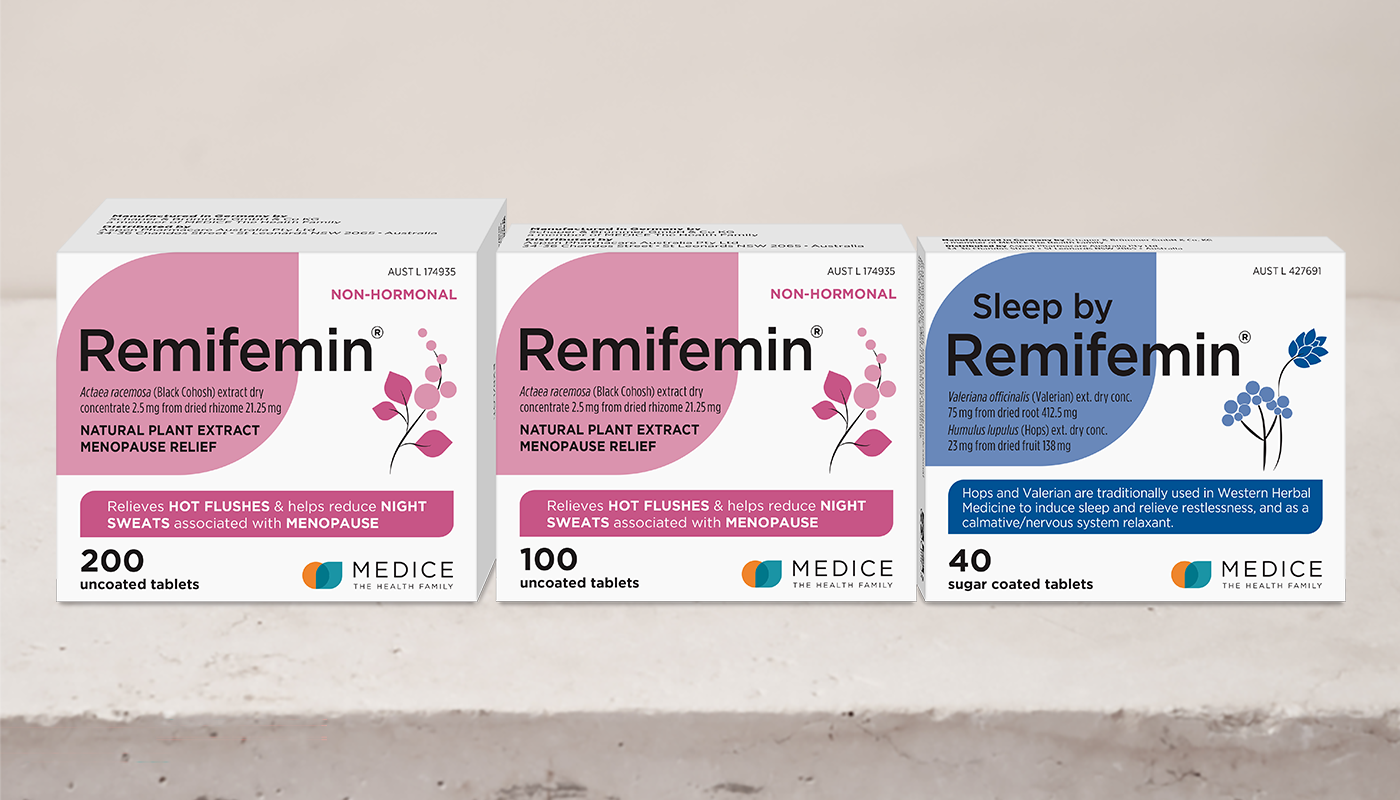
The world’s #1 selling over-the-counter pharmacy menopause relief
brand in 2025
in sales volume and value (excl. China)*
Supported by more than 60 years of medical research on Black Cohosh for menopausal symptoms.
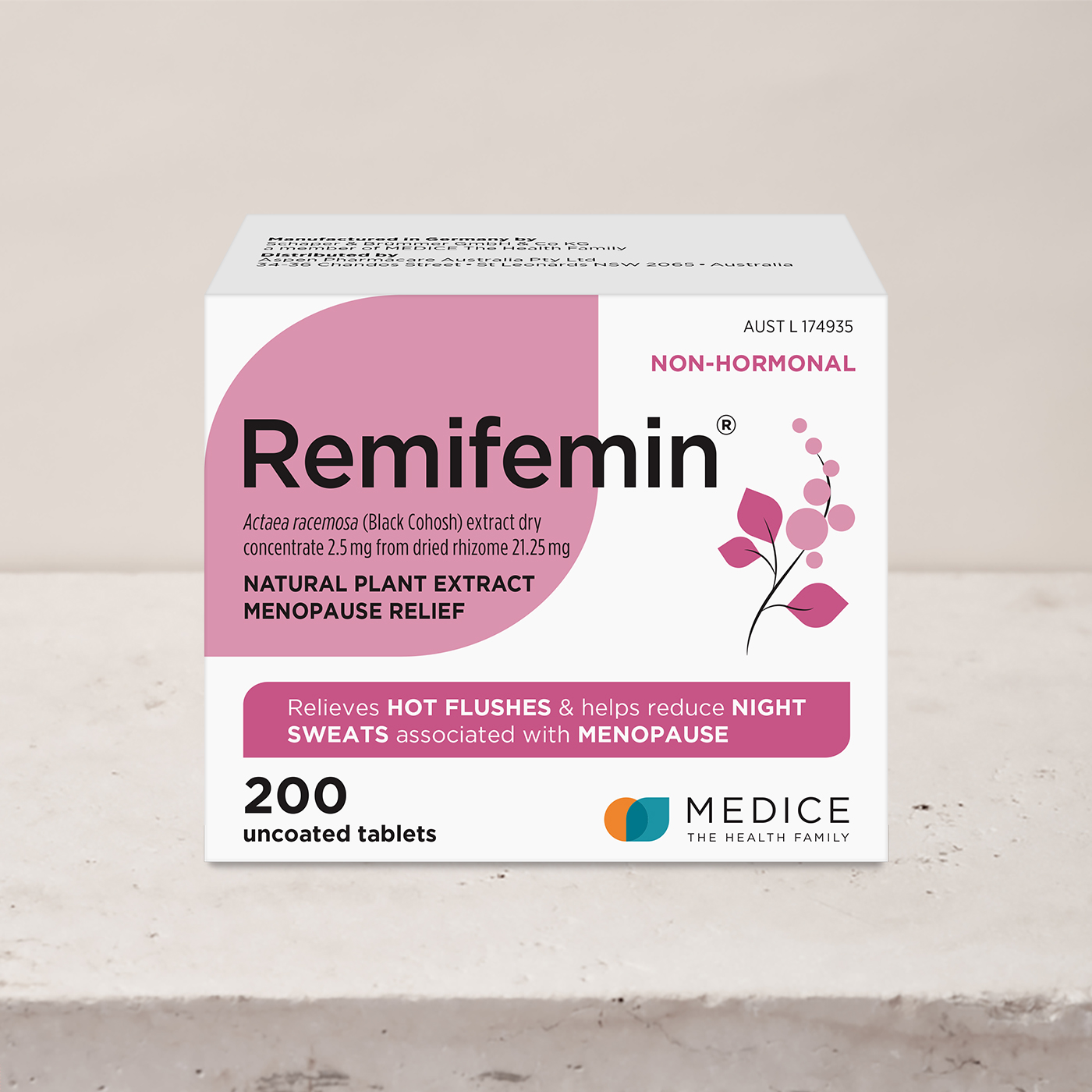
Remifemin is used by millions of women in more than 20 countries worldwide to support menopause symptom relief.
What is menopause?
Menopause is a natural stage in a womens life, but many women need help with symptoms. Menopause is sometimes called ‘the change of life’ or ‘the change’.
Medically speaking, it’s when you have no menstrual periods for a full 12 months. The average age of menopause in Australian women is 51 years (normal range from 45 – 55 years).
But menopause is more than just the end of regular periods. It’s also the term people use to refer to changes and symptoms in the lead-up to – and following – menopause. These symptoms can interfere with daily activities and quality of life.
Meaning ‘around menopause’: The 4–8 year transitional stage leading up to menopause, where irregular periods become more common as menstrual cycles change.
Hormone levels fluctuate, which can trigger symptoms such as:
Hot flushes and night sweats
Sleep disturbances
Mood changes
Vaginal dryness
Irregular vaginal bleeding
Menopause
Your final menstrual period, confirmed when you have had no period for 12 consecutive months.
Ovulation ends during this time and the ovaries significantly reduce hormone production.
Average age at menopause is 51 years, with most women experiencing it between 45–55 years.
Postmenopause
The stage after 12 months without a period.
Menopausal symptoms may continue for several years, although they may become less intense over time.
Lower oestrogen levels due to menopause may also contribute to:
Understanding some of the most common menopause symptoms
Every woman faces her own journey through the stages of menopause, with her own set of symptoms to deal with.
Hot flushes
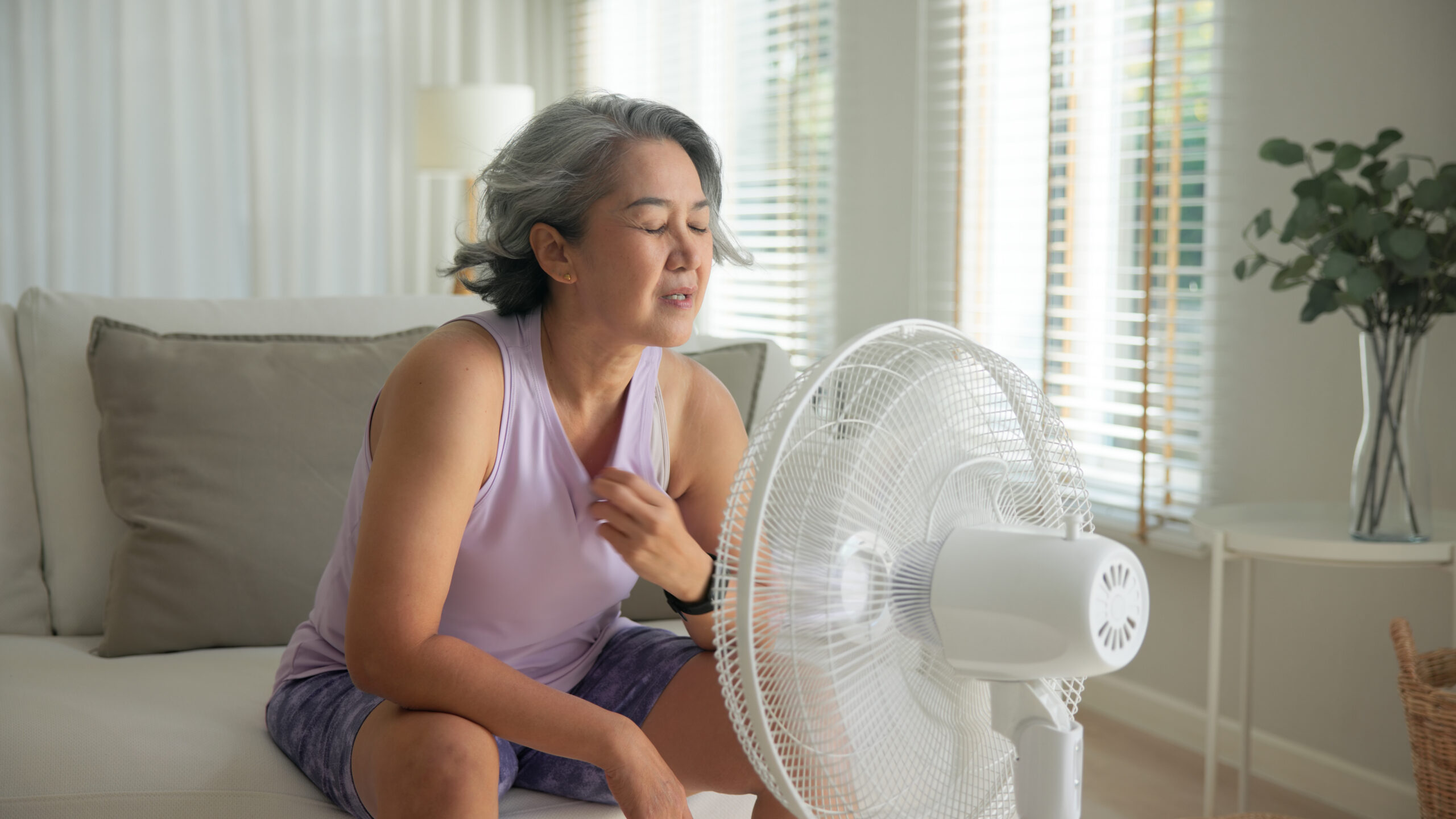
A sudden feeling of warmth that spreads through your chest, neck, and face that can be accompanied by sweating and rapid heartbeat.
Sleeplessness
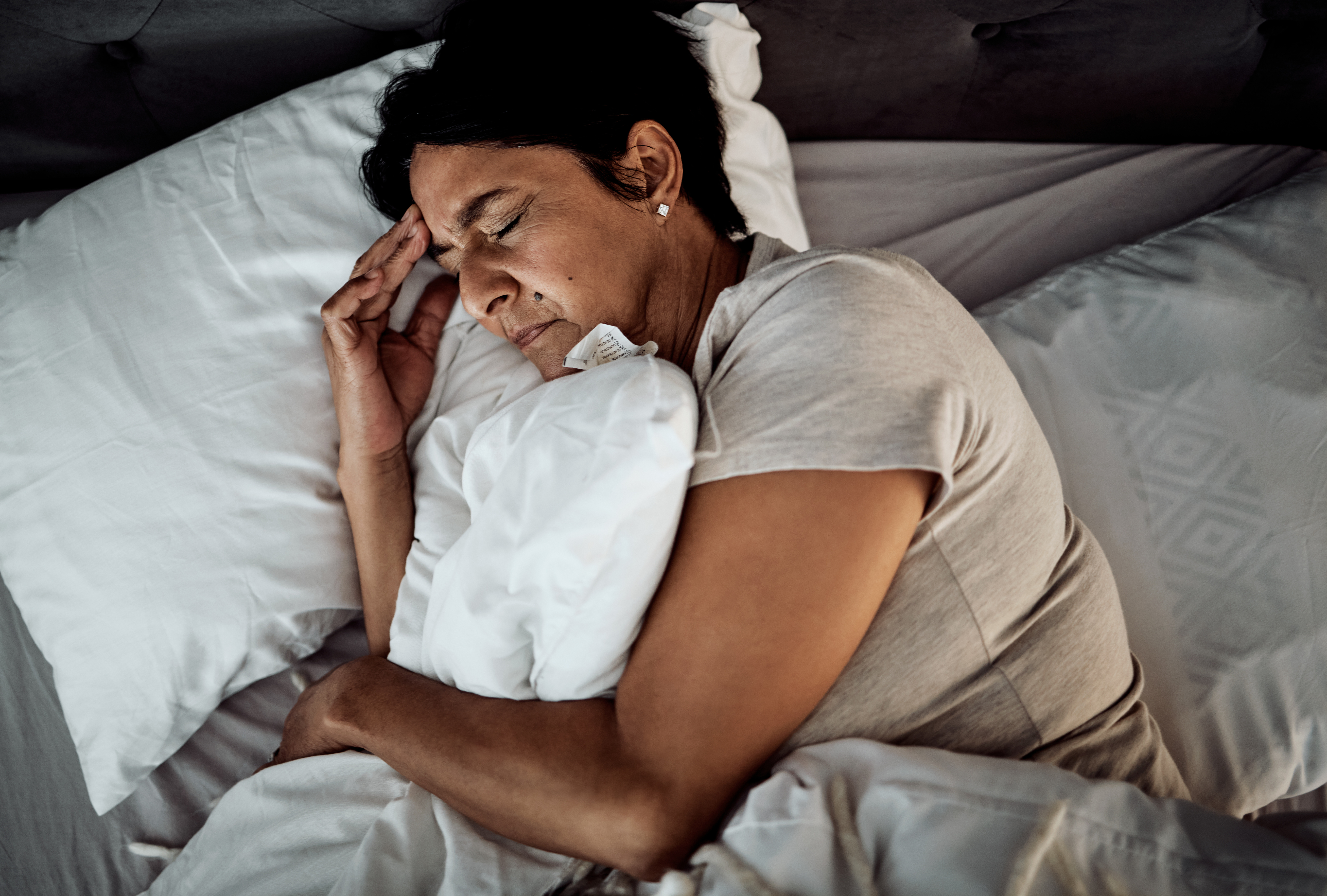
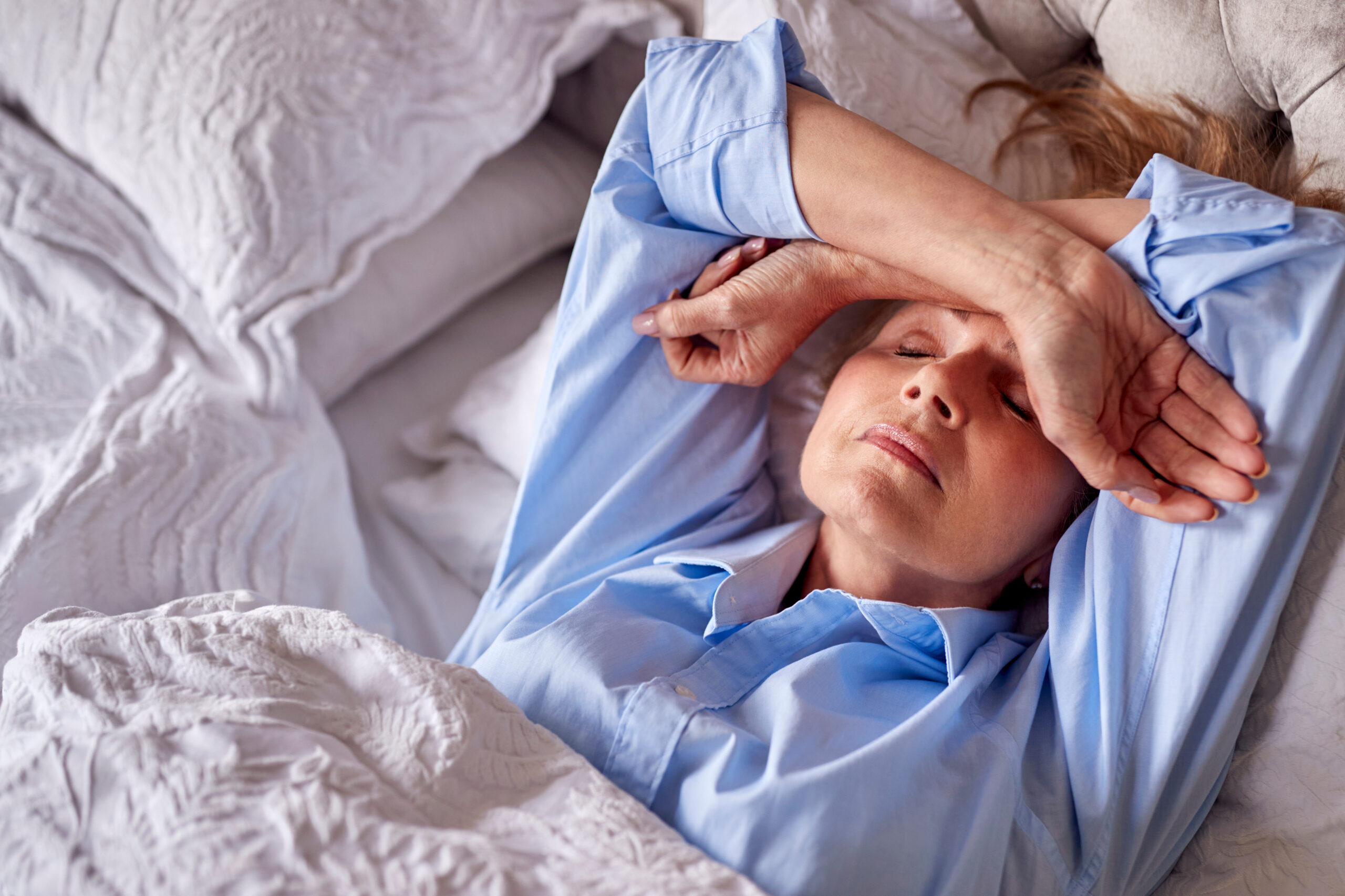
Difficulty falling asleep and staying asleep is common during perimenopause and after menopause, and can affect your wellbeing and day-to-day life.
Night sweats
Night sweats are hot flushes that happen at night and involve excess sweating, affecting your ability to sleep, quality of sleep, or interrupt sleep.
Mood swings and irritability
Hormone changes, along with hot flushes and poor sleep, can affect mood, energy and concentration.
Mood swings and irritability are common during the menopausal transition. Some women notice increased anger, emotional sensitivity or mood changes rather than ongoing sadness.
Managing hot flushes and improving sleep may help reduce associated symptoms such as low mood and irritability. Regular exercise and psychological therapies such as cognitive behavioural therapy have also been shown to support mood in midlife women.